
ٹریفک پلس بلاگ
تکنیکی اور مارکیٹنگ مضامین۔
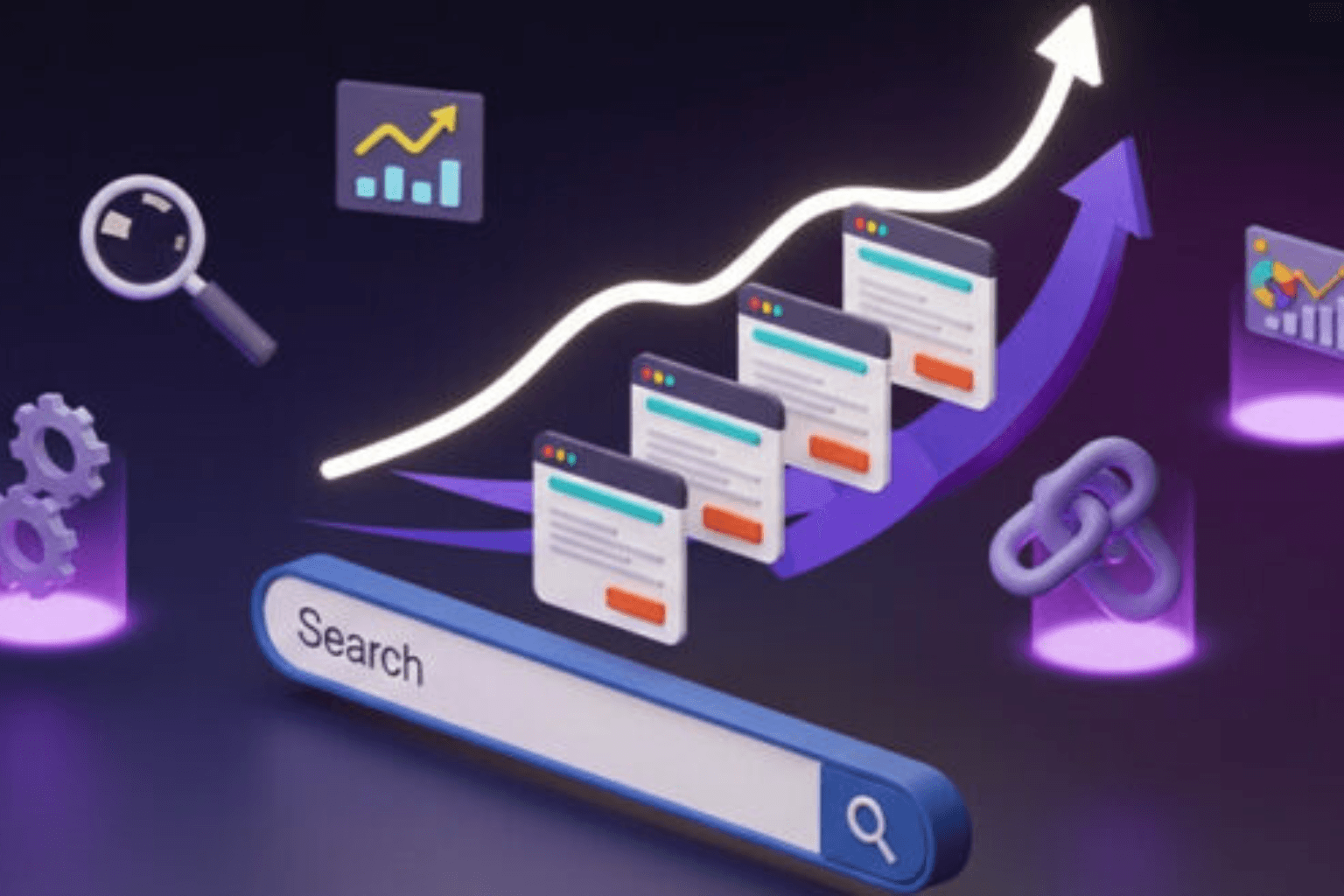
Answer Engine Optimization: کیوں ChatGPT کچھ سائٹس کی سفارش کرتا ہے اور دوسری کی نہیں
Introduction
If one of your customers asked ChatGPT for the best company in your field… would your name come up? As the way people search for information changes, many users no longer rely solely on traditional search engines — they now turn to platforms like ChatGPT and Gemini for direct answers and recommendations. So ranking in Google alone is no longer enough; your content also needs to qualify for AI search and answer engines.
In this article, we cover the concept of Answer Engine Optimization, how answer engines work, how it differs from traditional search engine optimization, and the key practices that help your site gain more visibility in AI search results.
What is Answer Engine Optimization?
When you ask ChatGPT a question like: "What's the best way to improve my site's search visibility?" it doesn't pick an answer at random — it relies on reliable, well-structured information to understand the question and give the most accurate answer possible. This is where AEO matters.
Simply put, AEO means preparing your website's content to be clear, organized, and easy for AI-powered answer engines to understand, so it has a better chance of being used and cited when answering users' questions. The goal isn't to trick AI algorithms or write content just for them — it's to create content that provides real value, answers questions directly, and relies on accurate, trustworthy information.
So AEO can be seen as a natural evolution in how content is created: the focus is no longer just on ranking pages in search results, but also on whether content can become part of the answers AI technologies present to users.
Why is AI search changing how customers find companies?
Users no longer always start their journey on Google — many now turn to AI tools for a quick answer first, then move on to the sites they feel are worth exploring further. This makes appearing inside answer engines a new step in how customers discover businesses.
This doesn't mean traditional search engines have lost their importance — rather, the search journey has become more varied. A customer might start on ChatGPT, then move to Google to verify the information, or the reverse. So companies now need a content strategy that serves both types of search, rather than relying only on traditional SEO methods.
How do answer engines choose the information they show?
One of the most common misconceptions is that AI tools "invent" answers. In reality, answer engines analyze large amounts of information and try to produce an answer based on sources that are clear, reliable, and well-organized.
That's why it's not enough for your site to contain correct information — that information also needs to be easy to understand, broken up under clear headings, and directly answer the questions users are searching for. Continuously updating your content, providing accurate information, and building a strong site reputation all increase the chances your content is treated as a trustworthy source.
In other words, AI doesn't look for the pages that repeat keywords the most — it tries to find the content that answers the question in the best possible way. That's why how content is written has become just as important as the information itself, since well-organized content is easier for answer engines to understand and use.
What's the difference between SEO and Answer Engine Optimization?
With the rise of AEO, some assume traditional SEO has become less important — but that's not the case. Each plays a different role in how customers reach your site, which is why companies today combine both strategies instead of relying on just one.
To make the difference clearer, the table below outlines the key distinctions between SEO and AEO:
| Aspect | SEO | Answer Engine Optimization |
| Primary goal | Improve the site's ranking in search engine results. | Increase the chances of content appearing in answer engines. |
| How it reaches the user | Through page ranking in search results. | By providing the user with a direct answer. |
| Main focus | Keywords, search intent, and user experience. | Clarity of the answer, content organization, and reliability of information. |
| Expected outcome | More visits to the site. | More chances of content being cited, plus visits when relevant. |
| Main target platforms | Google and Bing. | ChatGPT, Gemini, Perplexity and other AI search technologies. |
Despite these differences, AEO does not replace SEO — it actually depends on it in many ways. Content that performs well in search engines and provides accurate, well-organized information also has a better chance of appearing in answer engines. So combining both strategies has become the best option for companies aiming to build a strong digital presence and keep up with how search is evolving.
How do you prepare your site to appear in AI Search results?
There's no magic trick that guarantees your site appears in every AI answer, but there are practices that increase the chances your content is treated as a trusted source. For example:
1. Start by answering the questions your audience is actually searching for
Instead of focusing only on keywords, try to identify the questions customers ask before making a purchase decision. The clearer and more comprehensive your answers, the greater the chance your content gets used in AI search results.
2. Organize content so it's easy to understand
Use clear headings, short paragraphs, and lists when needed, so both users and answer engines can access the information easily. Well-organized content doesn't just improve the reading experience — it also helps make clear how the different parts of the page relate to each other.
3. Strengthen the reliability of your content
Answer engines rely on content that reflects expertise and provides accurate, up-to-date information. So make sure to review your articles regularly, cite reliable sources where relevant, and avoid vague or inaccurate information.
4. Cover the topic comprehensively
A short answer can be useful, but it isn't always enough. Content that explains a topic from several angles and answers related questions is more valuable to the user and more usable by answer engines.
5. Build strong internal connections across your site
Linking related articles and services helps both search engines and answer engines better understand what your site specializes in. When you build interconnected topic clusters, it becomes easier for these systems to recognize that you provide in-depth content in a specific field, rather than a set of unrelated articles.
These practices won't just improve your chances of appearing in AI Search — they'll also raise the overall quality of your content and user experience, which benefits your SEO strategy as a whole.
Mistakes that keep your site out of AI Search results
You might have good content, but that doesn't necessarily mean answer engines will rely on it. There are a number of mistakes that reduce your site's chances of appearing in AI Search results, even if it ranks well in traditional search.
The most common of these mistakes:
1- Relying on keyword stuffing instead of giving the user clear, useful answers.
2- Publishing shallow or duplicate content that adds no real value compared to what's already available online.
3- Neglecting to update articles even as information changes and AI technology keeps evolving.
4- Organizing content randomly, which makes it harder for both users and answer engines to understand.
5- Failing to link pages on your site together, which weakens search engines' understanding of your site's specialization and expertise.
Avoiding these mistakes doesn't just improve your chances in answer engines — it also raises your content quality and strengthens user trust in your site.
Will Answer Engine Optimization replace SEO?
The short answer is: No.
Despite the rapid growth of answer engines, search engine optimization (SEO) will remain a core part of any digital marketing strategy. Millions of users still rely on traditional search engines every day, and answer engines themselves draw on content published across the web to understand and present information.
So Answer Engine Optimization and SEO shouldn't be seen as competing options, but as two complementary strategies. The more reliable, well-organized, and SEO-optimized your site's content is, the greater its chances of appearing both in traditional search results and in AI-generated answers.
As search continues to evolve, the companies that keep pace with these changes will be best positioned to reach their customers and build a strong digital presence long-term. Answer Engine Optimization is one of the most significant of these shifts, but not the only one — the future of search engine optimization is changing fast, and it's worth watching closely.
Get your site ready for the next generation of search
The world of search engine optimization is evolving quickly, and what works today may need updating tomorrow. So it's no longer enough to apply the basics of SEO — it's now essential to keep up with developments in AI search and integrate them into a complete strategy that helps your business maintain its digital presence.
At Traffic Plus, we continuously track the latest developments in SEO and AI technologies, and we evolve our strategies to keep up with changing user behavior, search engines, and answer engines. If you're looking for a partner to help you build a strategy ready for the future of search, contact us now — our team is ready to help boost your site's visibility and get you the best results.
